Baby Milestone 1 Week: A Designer’s Review for Business Use
As an embroidery designer who has spent years digitizing and testing files for commercial use, I approach every new machine embroidery design with a critical eye. It is not just about whether the image looks cute on a screen; it is about how that design translates into thread on fabric, how it holds up in the wash, and most importantly, how it serves a business owner’s brand. Today, I am reviewing Baby Milestone 1 Week, a design situated in the Nursery category, to determine its viability for small business merchandise, branded patches, and custom apparel.
The product description states that "the first week of your child's life calls for a special embroidery design, and this one is just right." It also notes that the file comes in multiple formats. For a professional decorator or an Etsy seller, these are promising starting points, but we need to dig deeper into the practical application. Does this design work for a high-end boutique? Can it survive the rigors of daily wear on a staff uniform? Let’s break it down from a production and branding perspective.
First Impressions: Visual Personality and Brand Fit
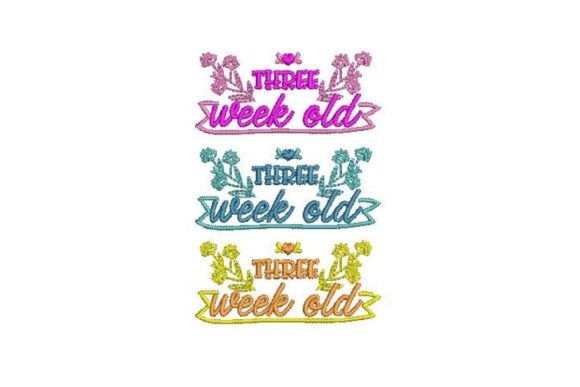
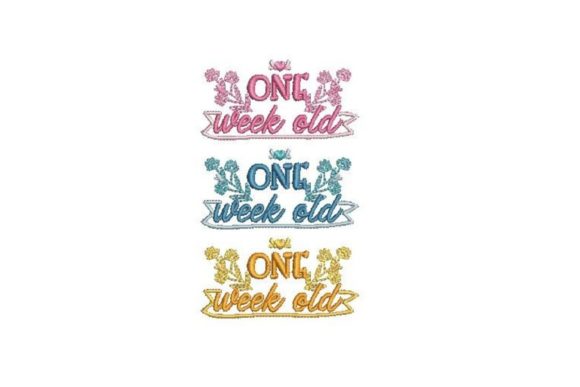
When I first loaded Baby Milestone 1 Week into my editing software, my immediate impression was one of delicate precision. Designs in the Nursery category often lean heavily into playful or whimsical aesthetics, but this piece feels more refined. It strikes a balance between friendly and elegant, which is crucial for modern parents who prefer minimalist or premium aesthetics over cluttered, cartoonish graphics.
For a small business owner, this visual personality is a significant asset. If you run a handmade baby clothing line, a boutique photography studio, or a specialized gift shop, this design communicates professionalism. It does not scream "cheap novelty"; instead, it suggests care and attention to detail. This aligns perfectly with brands that want to project trust and quality. The design feels decorative yet structured, making it suitable for both standalone statements and subtle accents on larger garments.
Real-World Applications for Small Business Merch
The true test of any digital embroidery file is its versatility. Here is how I envision Baby Milestone 1 Week performing in various commercial contexts:
- Embroidered Patches: This is perhaps the strongest use case. By stitching the design onto twill or felt and cutting it out, you create a versatile embroidered patch. These can be sold as add-ons for diaper bags, stroller accessories, or keepsake boxes. Patches allow customers to apply the milestone marker to items they already own, increasing the perceived value of your small business merch.
- Custom Apparel and Onesies: For boutiques selling baby clothes, this design works beautifully on the chest or sleeve of a onesie. Because it commemorates a specific time frame, it encourages repeat purchases for subsequent milestones. Ensure you use a soft backing to maintain comfort against sensitive skin.
- Tote Bag Design: Parents carry endless supplies. A canvas tote featuring this design makes for a practical and sentimental gift item. The flat surface of a tote bag allows for crisp stitching, showcasing the details of the embroidery file without distortion.
- Staff Uniforms and Aprons: If you own a nursery, daycare, or baby-focused retail store, consider using this design on staff apron embroidery or polo shirts. It reinforces your niche expertise and creates a cohesive look for your team. However, keep the size moderate to maintain a professional appearance.
- Cap Embroidery: Placing this design on the front or side of a baby hat or a parent’s cap can be charming. However, curved surfaces require careful hooping and stabilization to prevent puckering.
Technical Considerations and Production Challenges
While the aesthetic appeal is high, technical execution is where many businesses stumble. Before running a full batch of commercial embroidery, you must address several physical constraints.
Stitch Density and Fabric Texture: Delicate designs can sometimes suffer from high stitch density if not digitized correctly. If the stitches are too close together on thin fabric like jersey knit, the material may pucker or tear. Always test on the actual fabric you intend to sell. For textured fabrics like terry cloth towels or waffle-knit blankets, you may need to adjust underlay stitches to ensure the design sits on top of the texture rather than sinking in.
Small Patch Sizes and Detail Loss: If you plan to shrink this design for a tiny label or a small chest logo, be wary of losing detail. Fine lines and small text can merge when stitched at less than two inches. I recommend creating a printable mockup at actual size to check legibility. If the details blur, consider simplifying the color palette or increasing the overall size.
Thread Colors and Contrast: The impact of Baby Milestone 1 Week relies heavily on thread colors. On dark uniforms or navy onesies, light pastel threads may not provide enough contrast. Conversely, bright neon threads might clash with the gentle theme. Stick to classic combinations like white on pastel, or gold on cream, to maintain that premium feel. Always run a test stitch-out to verify color interaction under your shop’s lighting.
Stabilizer Selection: Never skip the stabilizer. For stretchy baby fabrics, a cut-away stabilizer provides long-term durability, ensuring the design does not distort after multiple washes. For woven items like tote bags or patches, a tear-away might suffice, but always prioritize stability over speed.
Enhancing Brand Identity and Customer Trust
Using a consistent, high-quality design like Baby Milestone 1 Week contributes significantly to your brand identity. When customers see precise, clean stitching, they associate that quality with your entire brand. It builds trust. A sloppy embroidery job can deter future purchases, but a crisp, well-executed milestone design becomes a talking point. Parents share photos of these milestones on social media, effectively providing free marketing for your business.
Furthermore, offering such specific, emotionally resonant products enhances buyer engagement. It shows that you understand the customer’s journey. By integrating this design into your design assets—such as packaging tags, thank-you cards, or bundle deals—you create a cohesive unboxing experience that elevates the perceived value of the finished product.
Practical Designer Notes for Implementation
Before you list this item in your shop or pitch it to a client, follow these steps to ensure success:
- Check Licensing: The description mentions multiple file formats but does not explicitly state license terms. Always confirm commercial licensing rights before using any digital embroidery file for profit. Contact the creator if the terms are unclear.
- Verify Hoop Size: Ensure the design fits within your machine’s standard hoop sizes. If it requires a large hoop, calculate if that impacts your production cost and time.
- Test in Black and White: Stitch the design in black thread on white fabric. This reveals any gaps, overlaps, or digitizing errors that color might hide.
- Create Mockups: Use digital tools to place the design on various products. Show clients or browse your own inventory to see where it fits best visually.
- Wash Testing: Stitch a sample, wash it five times, and dry it. Check for thread breakage, shrinking, or color bleeding. This step is non-negotiable for professional custom apparel.
In conclusion, Baby Milestone 1 Week is a strong contender for businesses in the Nursery and Embroidery sectors. Its elegant style, combined with the emotional weight of a newborn’s first week, offers significant commercial potential. By paying attention to technical details like stabilizer choice, thread contrast, and sizing, you can transform this simple file into a profitable, brand-enhancing asset. Whether used for patches, apparel, or keepsakes, it has the power to connect deeply with your customers while showcasing your craftsmanship.