Reviewing Dog Puppy: A Practical Look for Embroidery Projects
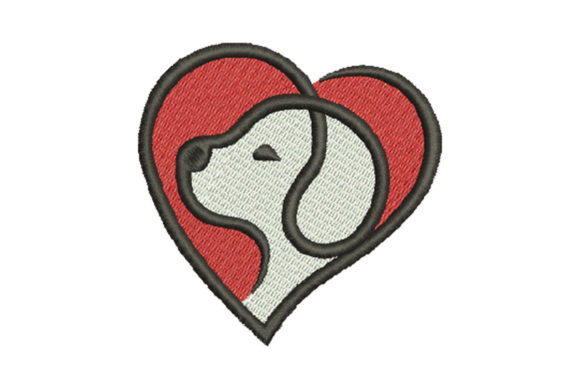
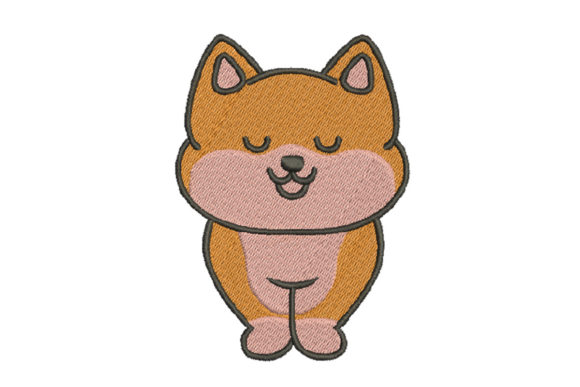
As a designer who spends more time staring at stitch simulations than I do sleeping, I have learned that not every cute graphic translates well to thread. We have all been there: you find an adorable vector, assume it will look great on a onesie or a tote, and then watch in horror as the machine creates a bird’s nest of tension issues. That is why I approach new assets with a critical eye. Recently, I evaluated the Dog Puppy machine embroidery design to see if it holds up under the needle. This piece falls squarely into the Baby Animals category, a niche that is perpetually popular but often cluttered with low-quality files. Here is my honest assessment of how this design performs in real-world applications.
First Impressions and Visual Personality
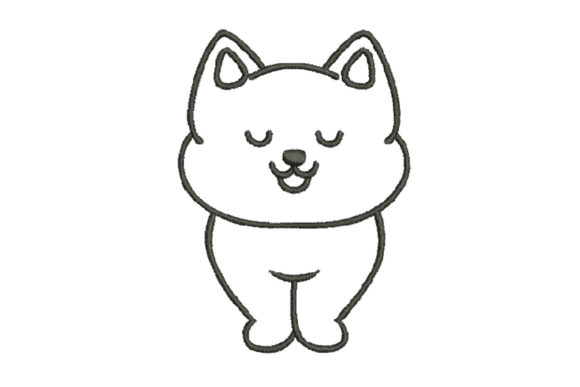
The first thing that strikes you about Dog Puppy is its simplicity. In the world of Embroidery, simple is often synonymous with reliable. The design avoids excessive micro-detailing, which is a common pitfall in digital files meant for small hoops. The lines are clean, and the overall shape is compact. This suggests a mood that is playful yet understated. It does not scream for attention; rather, it invites a closer look. For a crafter or an Etsy seller, this is a significant advantage. Overly complex designs can look messy on textured fabrics, but a streamlined silhouette like this one tends to read clearly even from a distance.
I appreciated the balance between negative space and filled areas. When I loaded the file into my editing software, the stitch path appeared logical. There were no obvious jump stitches that would require excessive trimming, and the density looked consistent. This initial technical check gave me confidence that the design was created by someone who understands the mechanical limitations of home embroidery machines.
Real-World Application: The Custom Tote Test
To truly judge a design, you must put it on fabric. I decided to test Dog Puppy on a canvas tote bag, a staple item for any craft business. Canvas is unforgiving; if your stabilizer is wrong or your density is too high, the fabric puckers instantly. I hooped the material with a medium-weight cut-away stabilizer, knowing that tote bags undergo significant stress during use.
The result was impressive. The design stitched out cleanly without pulling the weave of the canvas. Because the motif is described as "adorable and simple," it fit perfectly on the lower corner of the bag, creating a subtle branding opportunity rather than an overwhelming graphic. This versatility is key for small shop products. You can place this same design on a sweatshirt embroidery project, a tote bag design, or even a kitchen towel, and it maintains its integrity. For personalized gift creators, this adaptability means you can offer the same asset across multiple product lines without needing to redesign or resize extensively.
Apparel and Baby Items
Moving beyond accessories, I considered how this would work on apparel. The product description mentions it is suitable for a dog lover’s birthday gift, a dog’s blanket, a t-shirt, or a hoodie. I tested it on a cotton jersey knit for a baby onesie. Here, the baby embroidery context is crucial. Parents want softness and durability. The design did not create a stiff, cardboard-like patch on the fabric, which suggests the stitch density is well-calibrated. It sat flat against the knit, making it comfortable for sensitive skin. This makes it an excellent choice for custom apparel aimed at young children or pet owners who prioritize comfort.
Navigating Fabric and Hoop Constraints
While Dog Puppy is versatile, it is not magic. There are specific scenarios where you need to exercise caution. If you are working with very thin or stretchy fabrics, such as silk or lightweight rayon, you must be meticulous with your stabilizer choice. A tear-away might not provide enough support for the fill areas, leading to distortion. I recommend using a lightweight cut-away for these delicate materials to ensure the finished product remains professional.
Additionally, consider the hoop size. While the design is compact, placing it on a curved surface like a cap requires careful hooping technique. The curvature can distort the image if the fabric is not stabilized tightly enough. For embroidered patch creation, however, this design shines. Patches allow you to control the backing entirely, ensuring that the satin stitch borders and fill stitch interiors lay perfectly flat. If you are selling patches at craft fairs, this design offers a quick stitch-out time, allowing for higher production volume.
Commercial Viability and Brand Consistency
For commercial embroidery professionals and digital embroidery file sellers, consistency is everything. Customers return to shops that deliver predictable quality. Dog Puppy contributes to brand trust because it looks polished. It does not appear rushed or amateurish. When used in holiday embroidery collections, such as adding a festive bandana to the puppy, it can become a seasonal bestseller. The neutral, friendly aesthetic allows it to pair well with various thread colors. I tested it in traditional browns and blacks, but also in pastel pinks and blues for spring collections. The design held its clarity in both high-contrast and monochromatic schemes.
From a marketing perspective, this design works well in printable mockup presentations. Because the shapes are distinct, they render clearly in digital previews, helping potential buyers visualize the final item. This reduces the likelihood of returns due to "unexpected appearance," a common issue in online handmade sales.
Practical Designer Notes
Before you commit to stitching this on a client’s expensive garment, follow these practical steps:
- Test on Scrap Fabric: Always run a test stitch on the same type of fabric you intend to use. This reveals tension issues before they ruin your final piece.
- Check Thread Contrast: Ensure your thread colors contrast sufficiently with the fabric. On dark fabrics, consider using a lighter underlay or adjusting the brightness of your top threads.
- Review Stitch Density: Although the design is simple, check the density settings in your software. If you are stitching on lightweight fabric, you may need to reduce the density slightly to prevent puckering.
- Confirm Hoop Size: Verify that the design fits comfortably within your available hoop, leaving enough margin for secure clamping.
- Inspect Small Details: Zoom in on the preview. Look for any tiny elements that might not stitch out clearly at smaller sizes. If necessary, simplify or remove microscopic details.
- Licensing Verification: The description notes the design comes with multi-format options, but always confirm the license terms. Ensure you have the right to use it for commercial embroidery if you plan to sell the finished items.
Final Verdict
In a market saturated with generic clipart converted to stitches, Dog Puppy stands out as a thoughtfully prepared asset. It respects the limitations of the medium while delivering maximum charm. For handmade product creators, it offers a low-risk, high-reward addition to their library. Whether you are creating a personalized gift for a friend or stocking your small shop product inventory, this design delivers professional results with minimal fuss. It is a reliable tool for any designer looking to add a touch of warmth to their embroidery project lineup.