Rosemary Branch: A Designer’s Review for Craft Fair Success
As an embroidery designer who has spent countless hours hooping fabric and troubleshooting tension issues, I approach every new machine embroidery design with a critical eye. It is not just about whether the digitizing is clean; it is about whether the design will sell when displayed on a crowded craft fair table. Recently, I evaluated the Rosemary Branch design, and I am eager to share my insights on how this piece performs in the real world of handmade commerce.
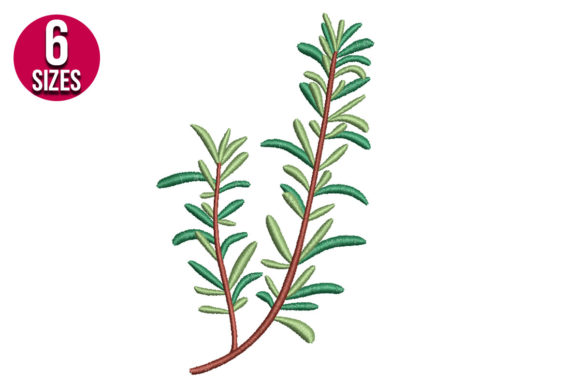
The first impression of Rosemary Branch is one of understated elegance. In a market saturated with loud, oversized graphics, this design offers a refreshing sense of calm. It feels rustic yet refined, fitting perfectly into the popular farmhouse and botanical aesthetics that continue to dominate home decor trends. For sellers focusing on Single Flowers or herbal motifs, this branch serves as a versatile anchor. It does not scream for attention; instead, it invites the customer to lean in and appreciate the detail. This subtle appeal is crucial for creating a premium feel in your booth.
Visual Appeal and Product Versatility
When considering where to place Rosemary Branch, the possibilities are extensive. The product description suggests it looks fantastic on kitchen towels, napkins, tablecloths, aprons, home decor pieces, curtains, t-shirts, and tote bags. From a production standpoint, I find that this design shines brightest on natural fibers. The organic shape of the rosemary leaves complements the texture of linen and cotton beautifully.
For Etsy sellers and boutique makers, the tote bag design potential is significant. A simple canvas tote with a single, well-placed rosemary branch near the bottom corner or centered subtly creates a sophisticated look that appeals to eco-conscious shoppers. Similarly, apron embroidery benefits from this motif. Placing the branch on the bib or along the pocket edge adds a touch of professionalism to kitchen wear, making it an ideal gift for home cooks.
I also recommend testing this as tea towel embroidery. Because rosemary is a culinary herb, placing this design on kitchen linens creates a thematic consistency that buyers love. However, be mindful of the fabric texture. Terry cloth or heavily textured waffle-weave towels can distort fine details. If you are using thick fabrics, ensure your stitch density is adjusted appropriately to prevent puckering, or opt for smoother flour sack towels which provide a cleaner canvas for the embroidery file.
Practical Selling Points for Craft Fairs
At a weekend craft fair, visibility is everything. Rosemary Branch works well because it is instantly recognizable. Customers do not need to squint to understand what they are looking at. This clarity is vital for impulse buys. When setting up your display, consider creating a cohesive collection. Imagine a table featuring embroidered patches, caps, small pouches, and pillow covers all featuring variations of this botanical theme. This brand consistency strengthens your visual identity and makes your booth look curated rather than cluttered.
The design also photographs exceptionally well for online listings. Whether you are creating a printable mockup for digital sales or taking photos of finished goods, the linear nature of the branch allows for clean composition. It does not overwhelm the product, allowing the quality of the material to shine through. For small shop product lines, this means you can create high-quality marketing assets quickly, saving time on editing and staging.
Furthermore, this design is highly repeatable for batch production. Unlike complex, multi-color scenes that require frequent thread changes, a botanical branch often utilizes a limited palette of greens and perhaps a single accent color. This efficiency reduces production time, allowing you to stock up on craft fair products like tote bags and tea towels without spending days at the machine. For commercial embroidery operations, this speed-to-market advantage is invaluable.
Technical Considerations and Careful Use
While Rosemary Branch is versatile, there are technical nuances to consider before you begin stitching. As with any digital embroidery file, you must verify the specifics that are not explicitly stated in the general description. Always check the recommended hoop size and stitch count before purchasing or downloading. If the design includes tiny details or fine lettering, it may lose clarity if scaled down too small for items like keychains or small embroidered patch applications.
Pay close attention to thread colors. Rosemary is not a flat green; it has depth. Using a single shade of green can make the design look flat and cartoonish. I advise using at least two or three shades of green to create dimension and realism. Additionally, when stitching on dark fabrics, ensure you have a sufficient underlay or use a lighter topstitch thread if the design permits, though botanical designs usually look best with traditional earth tones on light backgrounds.
Curved surfaces, such as caps, present another challenge. The rigid structure of a rosemary branch might distort if placed incorrectly on a curved seam. Always test the design on scrap fabric that matches your final product. Check the stabilizer type carefully. For stretchy fabrics like t-shirts, a cut-away stabilizer is essential to maintain the integrity of the stitches over time. For woven fabrics like aprons or towels, a tear-away may suffice, but a lightweight cut-away can provide a more professional, durable finish.
Enhancing Brand Value and Customer Engagement
Incorporating Rosemary Branch into your product line does more than just add inventory; it enhances your brand's perceived value. Botanical motifs are associated with wellness, nature, and slow living. By offering high-quality handmade products featuring this design, you align your brand with these positive values. Customers are not just buying a towel; they are buying into a lifestyle.
To maximize engagement, use the design to tell a story. Label your items with care instructions that highlight the natural inspiration behind the Embroidery. For example, "Inspired by the aromatic gardens of the Mediterranean." This narrative element can justify a higher price point and create an emotional connection with the buyer.
Finally, always confirm commercial licensing before selling finished products. If you are using a third-party design assets provider, ensure that their license covers physical sales at craft fairs and online marketplaces. Protecting your business legally is just as important as perfecting your stitch tension.
In conclusion, Rosemary Branch is a strong contender for any embroidery business looking to expand its botanical collection. Its blend of simplicity, elegance, and versatility makes it a safe yet stylish choice for a wide range of applications. By paying attention to fabric choice, thread variation, and proper stabilization, you can transform this digital file into a standout handmade product that resonates with customers and drives sales at your next market event.