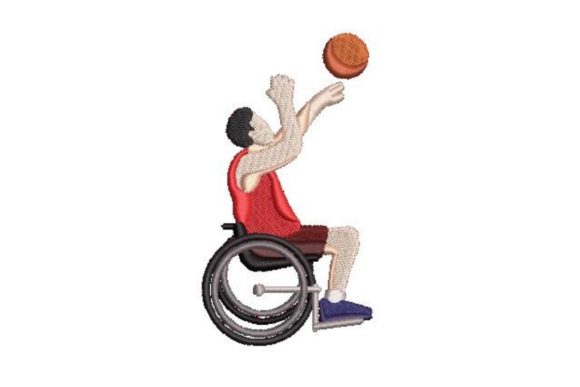
Wheelchair Basketball Player Design Review
As an embroidery designer who has spent countless weekends standing behind craft fair booths, I have learned that the difference between a design that gathers dust and one that sells out by noon often comes down to emotional resonance and visual clarity. When I first loaded the Wheelchair Basketball Player machine embroidery design onto my screen, my immediate reaction was one of appreciation for its intent. This is not just a decorative element; it is a statement piece. The product description highlights that you can support brave sportsmen by wearing this cute embroidery design, which immediately signals to me that this is a craft fair product with a story. In the world of handmade goods, stories sell.
First Impressions: Bold, Cute, and Meaningful
The aesthetic of the Wheelchair Basketball Player leans heavily into the "cute" and "supportive" vibe rather than aggressive sports realism. For a Sports category item, this approachability is crucial. It feels modern yet soft, making it versatile enough for various demographics. It does not scream "aggressive athlete"; instead, it whispers "community support" and "inclusive spirit." This makes it an excellent candidate for a handmade product line that aims to be inclusive and heartwarming. When evaluating design assets for my booth, I look for images that are easy to understand at a glance. This design achieves that. The silhouette and action are clear, ensuring that even from a distance, a passerby can identify the subject matter without needing a detailed explanation.
Product Applications: Where This Design Shines
Choosing the right substrate is half the battle in Embroidery. Based on the description, this design is suggested for sports equipment or bags. However, as a boutique maker, I see broader potential. Here is how I would deploy this digital embroidery file across my inventory:
- Tote Bags and Market Bags: This is arguably the best application. A canvas tote provides a large, flat surface that allows the design to breathe. As a tote bag design, it serves as a walking billboard for inclusivity. The sturdy fabric handles the stitch count well, and the natural color of canvas offers high contrast for most thread palettes.
- Embroidered Patches: Creating iron-on or sew-on patches is a fantastic way to maximize profit margins. An embroidered patch allows customers to customize their own jackets, backpacks, or hats. This turns the design into a versatile accessory rather than a single-use item.
- Aprons and Tea Towels: While an apron embroidery project might seem niche, it appeals strongly to the caregiver demographic or family members of athletes. Similarly, tea towel embroidery can work if the design is scaled correctly, though one must be cautious about the fabric texture.
- Caps and Hats: Placing this on a cap requires careful consideration of the curved surface. If the design is too wide, it will distort. However, a simplified version or a smaller hoop size placement on the side of a trucker hat could look very stylish and modern.
Production Practicalities for the Small Shop Product
For any Etsy seller or creative entrepreneur, batch production efficiency is key. The Wheelchair Basketball Player appears to be designed for repeatability. When I review a new machine embroidery design, I look for clean lines that do not require excessive trimming or jump stitch management. If this design maintains its clarity at smaller sizes, it becomes a powerhouse for small pouches and pillow covers. However, if it relies on tiny details, it may lose definition when scaled down for a coin purse.
Photography is another critical factor. This design likely photographs well because of its strong subject matter. A printable mockup can help visualize the final look, but nothing beats a real-life sample. The contrast between the thread and the fabric will dictate the visual impact. For a finished product to pop in online listings, I recommend using high-contrast thread colors. If the design features dark threads, pair it with light fabrics, and vice versa.
Careful-Use Notes and Technical Considerations
While the concept is strong, technical execution can make or break the commercial embroidery outcome. Here are specific areas where I advise caution:
- Stitch Density: Check the density settings. If the design is too dense, it can cause puckering, especially on lighter fabrics like tea towels or thin tote bags. Always use the appropriate stabilizer—a cut-away stabilizer is often safer for items that will be washed frequently, like aprons and bags.
- Fabric Texture: Textured towels or rough canvas can obscure fine details. If the design has intricate lines, test it on a smooth cotton first. If it holds up, then try textured surfaces. Avoid placing complex designs on highly textured fabrics where the stitches might sink into the weave.
- Dark Fabric Challenges: Embroidering on dark fabric requires careful thread selection. Standard colors may look muted. Consider using rayon or polyester threads with a high sheen to reflect light and maintain vibrancy. You may also need an underlay stitch to prevent the fabric color from showing through.
- Curved Surfaces: As mentioned, caps are tricky. Ensure the hoop size matches the available space on the cap. Distortion is the enemy of professional-looking headwear.
Enhancing Brand Consistency and Buyer Engagement
Integrating the Wheelchair Basketball Player into your shop can significantly boost brand consistency if your brand values inclusivity and community support. It signals to buyers that you are thoughtful about the messages your products carry. This emotional connection drives buyer engagement. Customers are not just buying a bag; they are buying a symbol of support. This adds perceived value to the small shop product, allowing for a higher price point compared to generic decorative designs.
To maximize this, create a cohesive display at your craft fair booth. Group this item with other sports-themed or community-support items. Use signage that explains the inspiration behind the design. Storytelling increases dwell time at your booth, which correlates directly with sales.
Final Designer Verdict and Pre-Production Checklist
Before you commit to full production, treat this design with the professional scrutiny it deserves. The product description mentions that it comes with multiple embroidery file formats, which is essential for compatibility with various machines. However, it does not specify exact stitch counts or recommended hoop sizes. Therefore, you must verify these details yourself.
Here is my recommended pre-production checklist:
- Test on Scrap Fabric: Never skip this step. Stitch out the design on the exact fabric type you intend to sell.
- Check Thread Contrast: Ensure the colors you choose provide enough distinction between the wheelchair, the player, and the background.
- Review Spacing and Density: Look for any areas where stitches are too close together, which could cause thread breaks or fabric bunching.
- Confirm Commercial Licensing: Ensure your purchase of the digital embroidery file includes the right to sell finished physical products. This is non-negotiable for commercial embroidery businesses.
- Create Real Mockups: Take photos of the stitched item in natural light. Compare how it looks on different fabric colors to determine your best-selling combination.
In conclusion, the Wheelchair Basketball Player is a promising addition to any Sports themed embroidery collection. It balances cuteness with meaningful advocacy, making it a standout craft fair product. By paying attention to technical details like stabilizer choice and fabric texture, and by leveraging the emotional story behind the design, you can transform this digital asset into a high-performing revenue stream for your handmade business.