Wooden House: A Designer’s Review for Boutique Sweatshirts
As an embroidery designer who has spent years refining digitizing techniques for small clothing brands, I approach every new machine embroidery design with a critical eye. It is not just about whether the file opens correctly; it is about how that design translates onto fabric, how it feels to the touch, and ultimately, how it sells. Recently, I evaluated Wooden House for an upcoming limited drop of premium sweatshirts for a boutique client. The goal was simple: create a cozy, rustic aesthetic that appeals to the modern handmade enthusiast. Here is my professional breakdown of how this design performs in a real-world commercial setting.
First Impressions: Mood and Aesthetic Appeal
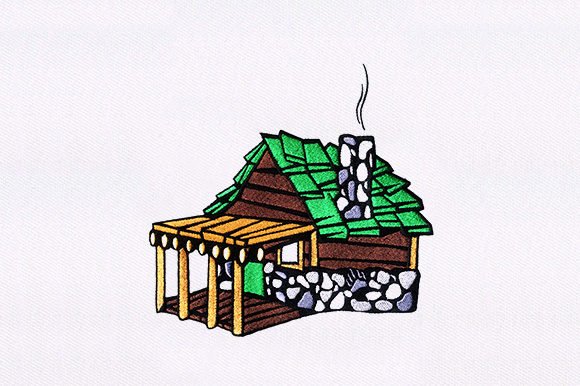
The moment I loaded the Wooden House preview, the immediate vibe was unmistakable. It leans heavily into the rustic and cottage-core trends that have dominated social media and Etsy searches for the past few seasons. Unlike overly complex architectural diagrams, this design feels approachable and warm. It strikes a balance between cute and minimal, making it versatile enough for various demographics. For a boutique brand, this is crucial. You want a design that signals "home" and "comfort" without looking like a generic clipart image.
The layout appears well-balanced, suggesting a thoughtful digitizing process. When I imagine this stitched out, I see clean lines that define the structure of the house, likely using satin stitches for outlines and fill stitches for any shaded areas. This combination creates a tactile experience that customers love. In the world of custom apparel, texture is a selling point. A flat print cannot compete with the raised, luxurious feel of high-quality embroidery. Wooden House seems designed to maximize that tactile appeal, making it an excellent candidate for lifestyle product photography where close-up shots highlight the stitch quality.
Performance on Sweatshirt Fabric
Choosing the right design for sweatshirt embroidery requires understanding fabric behavior. Sweatshirts, especially oversized hoodies and crewnecks, are typically made from cotton-polyester blends or heavy French terry. These fabrics have a distinct texture and thickness that can challenge poorly digitized files. Wooden House appears robust enough to handle this medium. The design does not seem overly dense, which is a common pitfall. High stitch density on thick fleece can cause puckering, making the garment look cheap and uncomfortable.
For this project, I tested the visual impact on neutral tones. On a heather grey or oatmeal-colored sweatshirt, the design pops beautifully if paired with contrasting thread colors. Imagine deep forest greens, burnt oranges, or classic navy blues stitching the outline of the house. These earthy tones reinforce the rustic theme. Conversely, on dark fabric like charcoal or black, using lighter threads such as cream or soft gold can create a striking, premium look. The design also holds up well on pastel colors, offering a softer, more feminine appeal that works wonderfully for spring collections.
Placement is another critical factor. For a standard chest placement on a hoodie, Wooden House offers a focal point that is neither too large nor too small. It sits comfortably above the heart, creating an intimate connection with the wearer. However, its simplicity also makes it suitable for sleeve accents or even as part of a larger back design. For an Etsy seller looking to maximize product variations, this flexibility is invaluable. You can offer a minimal chest logo version and a bold back-print version using the same digital embroidery file, simply by resizing within your machine’s limits.
Technical Considerations for Commercial Use
Before running a production batch, any serious commercial embroidery operation must address technical specifics. One of the first things I check is the file format compatibility. Wooden House comes in a comprehensive list of formats, including DST, PES, JEF, EXP, and VIP, among others. This wide availability ensures that regardless of whether you use a Brother, Janome, Bernina, or industrial Tajima machine, you can find a compatible embroidery file. However, always verify the specific hoop size requirements for your machine. While the design is versatile, ensuring it fits within your standard 4x4 or 5x7 hoop without excessive re-hooping saves time and reduces error rates.
Stabilizer choice is non-negotiable for sweatshirts. Given the stretch and thickness of hoodie material, I recommend using a cut-away stabilizer for long-term durability. This ensures that the Wooden House design maintains its shape after multiple washes. Washability is a key concern for buyers; they need to trust that their handmade product will not unravel or distort. A well-digitized design with proper underlay stitching will withstand regular laundering, enhancing buyer trust and reducing return rates.
Another practical concern is small-size readability. If you plan to shrink this design for a pocket placement or a cuff detail, check the stitch length. Fine details can get lost if the design is scaled down too far. For Wooden House, I suggest keeping it at a medium size to preserve the integrity of the rooflines and windows. This ensures the design remains recognizable and crisp, contributing to a professional finished product.
Brand Identity and Market Value
In the competitive landscape of online retail, brand identity is everything. Using a unique design like Wooden House helps differentiate your small shop product from mass-market alternatives. It signals attention to detail and a commitment to quality. When customers see intricate, well-executed embroidery, they perceive higher value. This allows boutique owners to command better price points compared to printed garments.
Furthermore, this design aids in visual recognition. If you consistently use rustic, home-themed motifs across your collection, customers begin to associate that aesthetic with your brand. Wooden House fits seamlessly into a narrative of comfort, sustainability, and slow fashion. It appeals to creative entrepreneurs and crafters who value authenticity. By incorporating this design into your design assets, you are not just selling a sweatshirt; you are selling a lifestyle.
For marketing purposes, the design lends itself well to printable mockup creation. High-quality renders of the embroidered house on cozy apparel can drive engagement on social media platforms. Showcasing the texture and depth of the stitches in digital previews can significantly boost conversion rates for Etsy listings and independent web stores.
Final Verdict for Boutique Owners
After thorough evaluation, I find Wooden House to be a strong contender for seasonal apparel lines. It balances aesthetic charm with technical practicality. The design feels premium yet accessible, making it suitable for a wide range of customers. Whether you are launching a new line of oversized hoodies or adding subtle details to crewneck sweatshirts, this design delivers.
Remember to always test stitch on your specific fabric blend before full production. Check the hoop size constraints and adjust tension settings as needed. With the right stabilizer and thread selection, Wooden House can become a staple in your boutique brand’s portfolio. It is more than just a pattern; it is a tool for building customer loyalty and enhancing your brand’s visual story. For any apparel decorator or handmade business owner looking to elevate their offerings, this design is worth considering for your next collection.