Review: Waiting for Halloween Embroidery Design
As an embroidery designer who has spent countless weekends behind a craft fair table, I know that the difference between a browser and a buyer often comes down to visual impact. When I first loaded the Waiting for Halloween machine embroidery design into my software, my immediate thought was about its versatility. In the high-stakes environment of a handmade market, you need designs that stop traffic. This piece feels like a perfect blend of festive charm and modern simplicity, making it a strong contender for any autumn product line.
First Impressions and Aesthetic Appeal
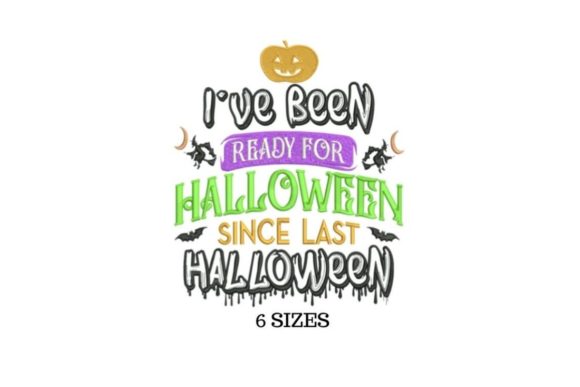
The title alone suggests anticipation, a mood that resonates deeply with customers who begin decorating in early September. Visually, this design avoids the cluttered, overly complex look that can sometimes plague seasonal embroidery. Instead, it offers a clean, readable silhouette that works well across various styles. Whether your brand leans toward rustic farmhouse, cute and whimsical, or minimal modern, Waiting for Halloween adapts beautifully. It does not scream for attention with neon chaos; rather, it invites a closer look, which is exactly what you want when a customer is scanning a busy booth display.
For Etsy sellers and boutique makers, this aesthetic is crucial. It photographs exceptionally well because the lines are distinct. When creating a printable mockup for your online listings, you will find that the design retains its clarity even when scaled down for thumbnail images. This is a vital trait for digital marketing, where split-second decisions are made based on visual appeal.
Product Applications for Craft Fair Success
When preparing my inventory for a weekend market, I always categorize items by price point and production time. Waiting for Halloween shines as a versatile asset across multiple categories. Here is how I envision using this embroidery file to maximize sales:
- Tote Bags and Market Bags: This is perhaps the strongest application. A large hoop placement on a canvas tote creates an instant craft fair product staple. The design acts as a focal point, turning a simple bag into a seasonal statement piece.
- Apron Embroidery: Kitchenware sells incredibly well in the fall. Placing this design on the bib of a linen or cotton apron adds a touch of personality that appeals to home cooks and hosts.
- Tea Towel Embroidery: For lower-priced impulse buys, embroidered tea towels are ideal. However, care must be taken with fabric texture. Ensure the towel is tightly woven so the stitches do not sink in, maintaining the crispness of the design.
- Embroidered Patches: If you offer custom patches, this design is perfect. It allows customers to add a spooky touch to denim jackets or backpacks without committing to a full garment embroidery.
- Caps and Hats: A small, centered placement on a dad hat or trucker cap can be very profitable. Just remember that curved surfaces require careful hooping and stabilization.
Production Practicality and Batch Efficiency
From a business owner’s perspective, time is money. The description notes that this design comes with multiple embroidery options, which is a significant advantage. It implies that you may have access to different sizes or color variations, allowing for batch production efficiency. When I evaluate a digital embroidery file for commercial use, I look for stitch paths that minimize thread breaks and jumps. While I cannot verify the exact stitch count without seeing the specific file data, the visual simplicity suggests a reasonable run time.
For small shop product creators, repeatability is key. You want a design that looks consistent whether it is the first or the fiftieth item you stitch. Waiting for Halloween appears robust enough to handle repeated production runs without losing its shape, provided your machine is well-maintained and your tension is correctly set.
Technical Considerations and Careful Use
Even the best designs can fail if executed poorly. As an experienced designer, I must highlight several technical factors to ensure your finished product meets professional standards.
Stitch Density and Fabric Choice: If you are stitching on thick fabrics like denim or heavy canvas, monitor the stitch density. Too many stitches in a small area can cause puckering. Conversely, on lightweight fabrics, ensure you are using the appropriate stabilizer. A cut-away stabilizer is often safer for garments that will be washed frequently, while tear-away might suffice for decorative pillows.
Thread Colors and Contrast: The success of this design relies heavily on contrast. If you are stitching on dark fabric, ensure your thread colors pop. Test your thread colors on scrap fabric before committing to your final inventory. A lack of contrast can make the design disappear, especially from a distance at a craft fair.
Small Details and Lettering: If the design includes any text or fine lines, be cautious when scaling it down. Tiny details can get lost or become messy if the hoop size is too small. Always check the minimum recommended size in your software. For caps, ensure the design fits within the curved embroidery area without distorting.
Enhancing Brand Consistency and Buyer Engagement
Using a cohesive design like Waiting for Halloween helps strengthen your brand identity. When customers see a consistent aesthetic across your tote bags, pillows, and patches, it signals professionalism. This consistency builds trust, which is essential for converting browsers into buyers.
Moreover, this design encourages engagement. It is conversational. Customers are likely to comment on the cute or spooky elements, giving you an opening to discuss your process, your materials, and your brand story. This personal connection is the primary advantage of handmade markets over big-box retail.
Final Designer Notes for Commercial Success
Before you launch your Halloween collection, take these final steps to ensure quality:
- Test on Scrap Fabric: Never skip this step. Test the design on the exact fabric type you plan to sell.
- Check Hoop Size: Confirm that the design fits your available hoops. If the design requires a large hoop, ensure you have the capacity to produce it efficiently.
- Verify Licensing: The description mentions it is perfect for those who love Halloween, but always confirm the commercial licensing terms. Ensure you have the right to sell finished products made with this commercial embroidery file.
- Create Real Mockups: While digital mockups are useful, photographing a real stitched sample provides authentic marketing assets that resonate more with buyers.
In conclusion, Waiting for Halloween is a strategic addition to any autumn inventory. It balances aesthetic appeal with production practicality, making it an excellent choice for craft fair vendors and online sellers alike. By paying attention to fabric choice, stabilization, and presentation, you can turn this design into a bestseller for your handmade business.