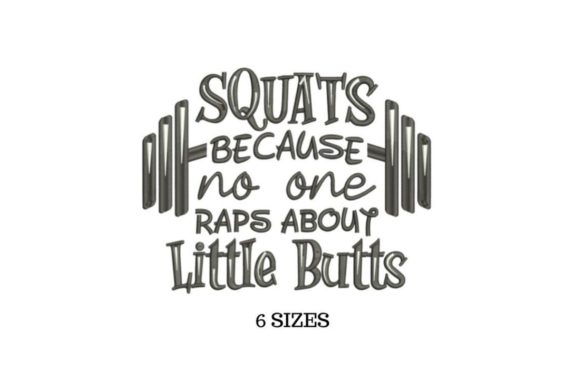
Squats Embroidery Design Review for Craft Fairs
As an embroidery designer who has spent countless weekends behind a booth table, I know that the difference between a browser and a buyer often comes down to split-second visual impact. When I first loaded the Squats machine embroidery design onto my screen, my immediate thought was not just about the stitches, but about the customer standing in front of my display. This design taps directly into the booming wellness market, offering a playful yet stylish nod to fitness culture. It is not just a graphic; it is a conversation starter. For craft fair sellers, Etsy sellers, and boutique makers, finding a design that bridges the gap between niche hobbyist appeal and broad giftability is rare. Squats achieves this balance, making it a strong contender for your next production run.
First Impressions and Market Appeal
The title alone tells you everything you need to know about the target audience. This is a perfect design for a fitness lover, intended to be offered as a gift. In the world of handmade products, humor and relatability sell. The aesthetic feels modern, bold, and slightly cheeky, which aligns perfectly with current trends in athleisure and home decor. It does not try to be overly elegant or rustic; instead, it embraces a clean, contemporary vibe that appeals to millennials and Gen Z shoppers who value both function and fun. When you are curating a table display, you need items that pop from a distance. Squats has that inherent "scroll-stopping" quality, whether seen in person on a tote bag or digitally in an Etsy listing.
For creative entrepreneurs, the versatility of this design is its strongest asset. It fits seamlessly into the Wellness category without feeling clinical. It adds a fancy touch to gym equipment, but more importantly for us, it adds personality to everyday textiles. The design invites engagement. A customer might see it on a tea towel and laugh, then imagine their fitness-obsessed friend receiving it as a holiday gift. That emotional connection is what drives sales in small shop environments.
Product Applications for Maximum Sales
To truly evaluate Squats, we must look at where it lives best. I mentally placed this design on several standard craft fair products to gauge its effectiveness. Here is how it performs across different mediums:
- Tote Bags and Market Bags: This is arguably the best home for Squats. A canvas tote with this design becomes an instant statement piece. It transforms a generic bag into a craft fair product that screams personality. The design works well as a central focal point, drawing the eye immediately.
- Aprons and Kitchen Textiles: Tea towel embroidery and apron embroidery are staples of handmade markets. Squats adds a layer of irony to kitchen wear, appealing to those who balance healthy living with a love for cooking. It breaks the monotony of traditional floral or farmhouse patterns.
- Embroidered Patches: If you are looking to create low-cost, high-volume items, consider digitizing this as an embroidered patch. Patches are impulse buys. A patch featuring Squats can be ironed onto gym bags, jackets, or hats, extending the product life cycle beyond just home decor.
- Caps and Headwear: While challenging due to the curved surface, a simplified version of this design could work beautifully on dad hats or beanies. However, you must be mindful of the hoop size and fabric texture to ensure the stitches lay flat.
- Pillow Covers and Pouches: For a more subtle approach, use Squats as an accent on a small fabric pouch or a corner of a pillow cover. This allows customers to dip their toes into the trend without committing to a large graphic.
Production Practicality and Technical Notes
From a production standpoint, efficiency is key. When preparing for a busy fair season, you need designs that are repeatable and reliable. Squats appears to be designed for clarity, which suggests it should handle well on various fabrics. However, there are critical technical considerations every embroidery business owner must address before launching this as a commercial embroidery product.
First, always check the stitch density. If the design features solid fills or dense lettering, it may pucker lightweight fabrics like cotton tea towels. In such cases, using a cut-away stabilizer is non-negotiable to maintain the integrity of the finished product. Conversely, if you are stitching on thick terry cloth towels, ensure the design does not have tiny details that will get lost in the fabric texture. The description notes that this digital embroidery file comes with multiple embroidery file formats, which is excellent news. It means you can likely find a version optimized for different hoop sizes, allowing you to scale the design appropriately for everything from a small pouch to a large tote.
Thread colors play a massive role in the final appeal. For a fitness-themed design, high-contrast combinations work best. Think neon greens or electric blues against black fabric, or crisp white against navy. Avoid low-contrast pairings that might make the design look muddy from a distance. Remember, at a craft fair, customers are viewing your work from three feet away. Clarity is king.
Enhancing Visual Appeal and Brand Consistency
Integrating Squats into your lineup can strengthen your brand’s identity as a modern, lifestyle-oriented maker. It shows that you understand current cultural trends. When photographing this design for online listings, context is everything. Do not just photograph the embroidery in isolation. Stage the tote bag with a water bottle and yoga mat. Create a printable mockup that shows the apron being worn in a bright, modern kitchen. These visual cues help the buyer envision the product in their own life, increasing the perceived value of the handmade product.
Furthermore, this design supports batch production. Because the motif is likely self-contained and not overly complex in terms of color changes, it is ideal for assembly-line stitching. You can hoop multiple tote bags and run them through your machine with minimal supervision, maximizing your labor hours. This efficiency allows you to price your items competitively while maintaining healthy margins.
Designer Tips for Successful Implementation
Before you commit to a large inventory, follow these essential steps to ensure quality control:
- Test on Scrap Fabric: Never skip this step. Stitch out Squats on the exact fabric you plan to sell. Check for puckering, thread breaks, or registration issues.
- Verify Commercial Licensing: The product description mentions it can be used for commercial purposes, but always double-check the specific license terms included with your download. Ensure you are compliant regarding the number of finished products you can sell.
- Check Hoop Size Compatibility: Confirm that the design fits within your standard hoops. If you primarily use a 5x7 hoop, ensure the design scales down without losing legibility.
- Create Real Mockups: Use design assets to create professional-looking images for your Etsy seller profile. A high-quality printable mockup can significantly boost click-through rates.
- Evaluate Small Details: If the design includes small text or intricate lines, test it at the smallest size you intend to sell. If the details blur together, consider resizing or simplifying the stitch path.
In conclusion, Squats is more than just a cute graphic; it is a strategic addition to a modern embroidery portfolio. It addresses a specific niche—fitness enthusiasts—while remaining broad enough to appeal to general gift buyers. By paying attention to fabric choice, stabilizer selection, and presentation, you can turn this digital embroidery file into a best-selling staple at your next market. Whether you are an experienced embroidery business owner or a new creative entrepreneur, this design offers the blend of fun, functionality, and fashion that today’s consumers crave.